Path of the Sword

Training Blog

Page 7 of 34

Be Intentional About Your Open Sparring Times

Whether you call it randori, kumite, sparring, or touching hands, many martial arts provide space and time for students to explore the art in a less constrained environment. In my school we call this time “Open Floor”: it has typically been a weekly 2–3 hour block of time where students are invited to come and…

Devon Boorman ·
SKIL: A model for learning martial forms

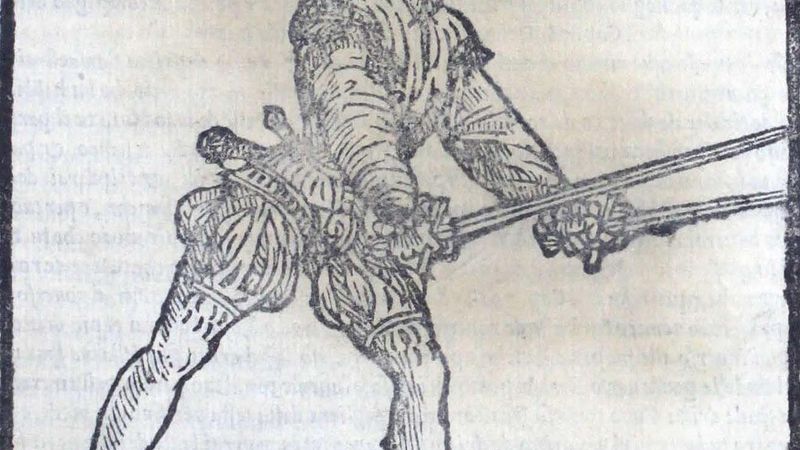
Having a form that you can practice without a training partner provides structure for improving and maintaining your martial ability when training solo, and allows you to explore and enjoy the internal side of the art that is not about competition or self-defense.

Devon Boorman ·

The Role of Martial Forms

Solo forms are a part of many different martial arts from around the world, and European martial arts are no exception. Solo and partnered martial forms appear in many different Italian fighting manuscripts, particularly from the Bolognese tradition, as well as in German sources like one included in Döbringer’s treatise. Forms play a diversity of…

Devon Boorman ·

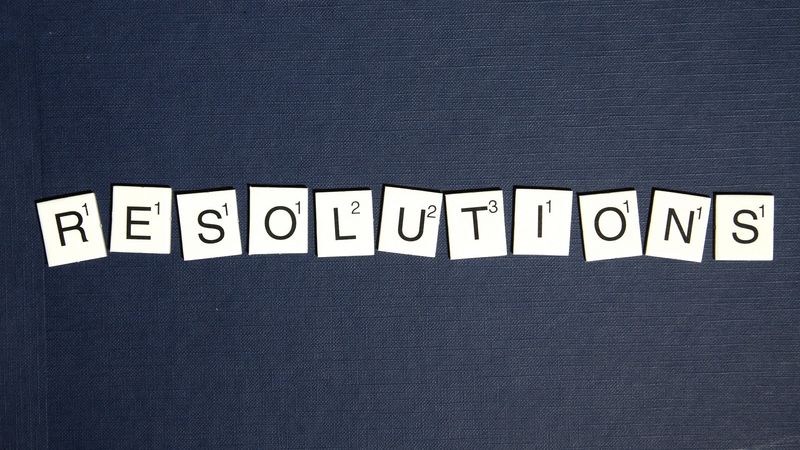
Setting Successful Swordy Resolutions

The main failure I see in most people’s resolution setting is that the resolutions themselves tend to live in a vacuum without any clear systems around them for support. If you are relying solely on your willpower and excitement to get you to some new achievement you are likely to run out of both—well before…

Devon Boorman ·

Right or Left Hand Lead?

Which hand should go on top with a two-handed weapon? Across martial arts there are actually a lot of arguments for placing your dominant hand on both the top and the bottom of the grip. I want to dive into this interesting topic. Jogo do Pau and Left Hand Lead Check out this video from…

Devon Boorman ·

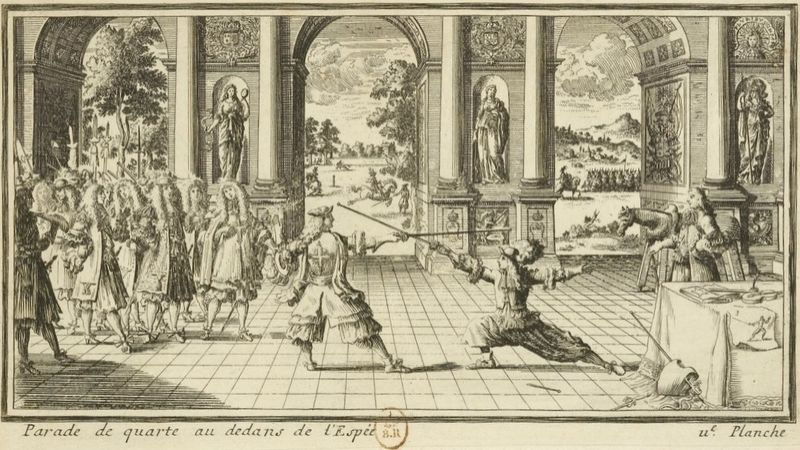
Is There a Link Between Ballet and Fencing?

I have long heard that ballet has its origins in historical fencing. It's a romantic idea and as someone who both teaches martial arts and dance (though not ballet) I certainly find tons of parallels in how they are both taught and practiced.

Devon Boorman ·

Share Your Struggles to Get Through Your Blocks

The path to mastery is as little as 25% technical, and 75% psychological. Not to diminish what it takes to learn and apply a martial art physically, but I have met very few students that I didn’t feel were physically capable, with sufficient practice, of mastering their arts.

Devon Boorman ·

The Road to Mastery is 25% Technical, 75% Mental

When I look at my pursuit of mastery and proficiency in the various arts of my life I see more clearly now that truly a very small percentage of what is between me and mastery (meaning a high level of proficiency) is technical ability. Now technical ability is essential to mastery, but the barriers it…

Devon Boorman ·

Taped Up, Braced Up, and Strapped Down: Training Through Injury

I have broken some fingers in intense bouting, separated a shoulder while doing armoured combat, and have certainly had my share of sprains and strains. That being said it has been a relatively healthy career thanks to a lot of care and attention. Yet, even with that, injuries happen. What to do with your training when they do?

Devon Boorman ·

A Language for Fighting

Technical jargon can seem like a burden when you're first learning a martial art. European martial arts in particular have dozens of guard names, positions, attack types, and terms for movements of the sword and body. It can be daunting when you're learning a new movement language to also learn the spoken and written language that accompanies it.

Devon Boorman ·