Nanjing, China: A Weekend of Fencing, Museums, and Martial Exchange
Devon Boorman ·
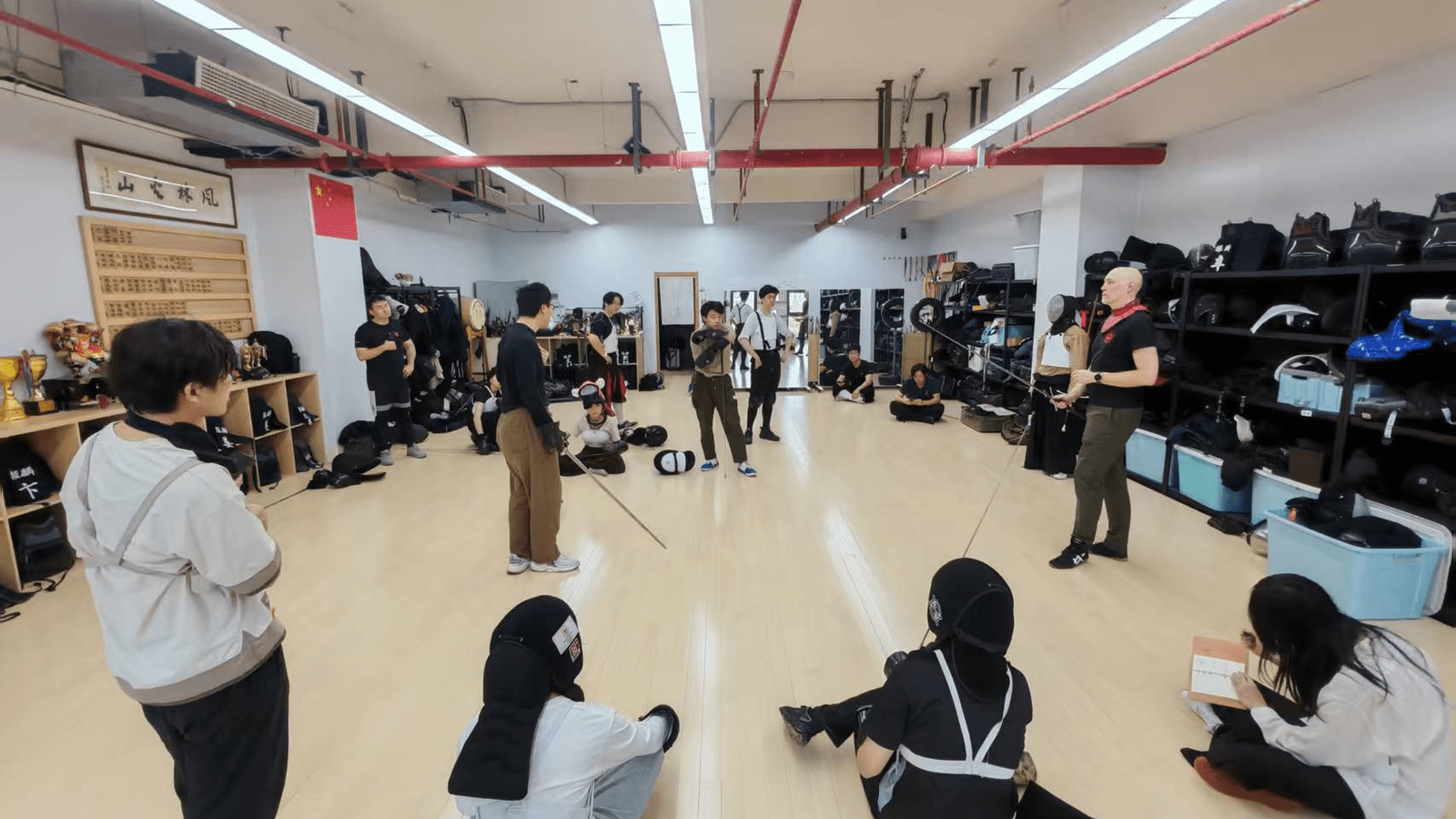
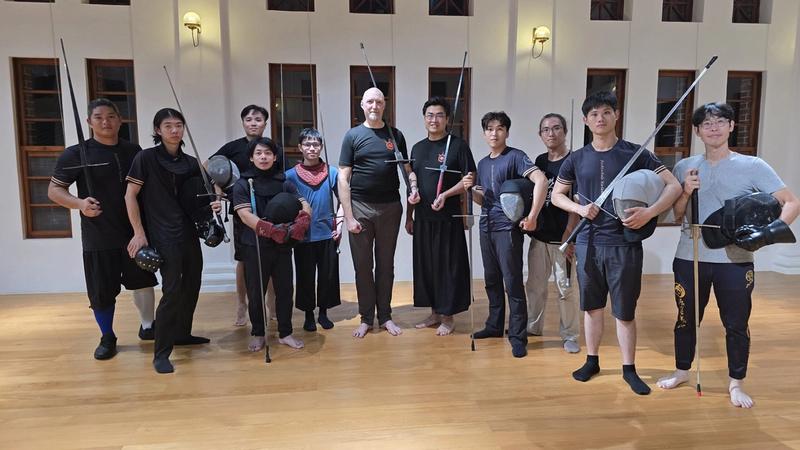
I’ve just returned from Nanjing, China, where I had the pleasure of teaching a two-part seminar over the weekend. The first day took place at the Nanjing Wall Museum, and the second at Nanjing Axon Martial Arts.
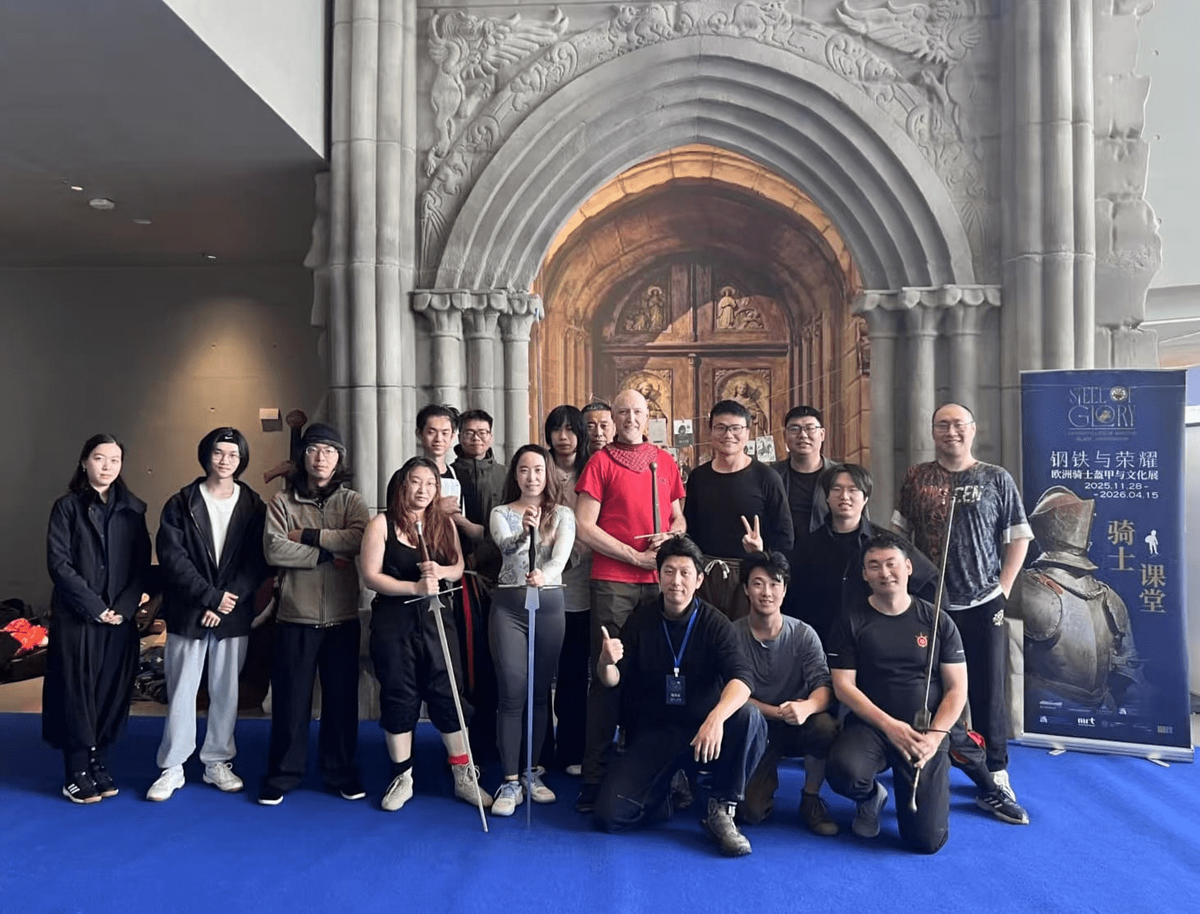
What made the experience especially meaningful was not only the quality of the hosting, but the quality of the people there. My thanks to Sven, the principal instructor of Axon, for bringing me in. He is an excellent teacher and a strong technical fencer, but more than that, he embodies the generosity and spirit of personal development that I think are essential to the best of Historical European Martial Arts. It was also very special to have Duello Armizare students from around China come out to attend both days. I look forward to seeing more of this art and these methods spread through schools and practitioners across the country.
Teaching the True Fight and the Nature of Tempo
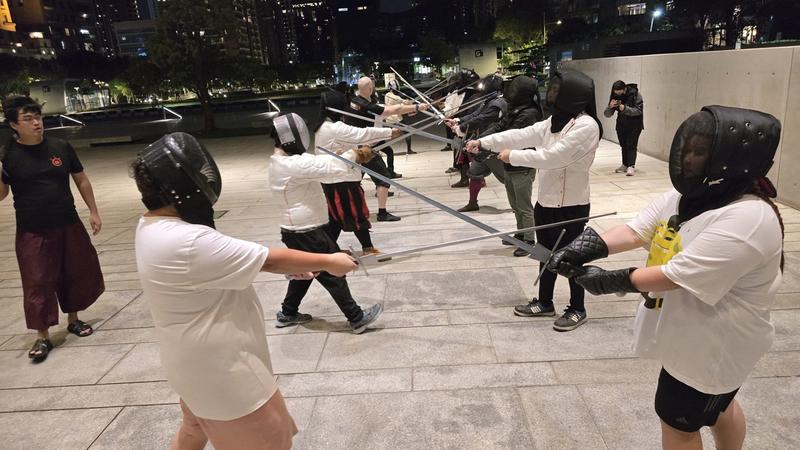
The first day of the seminar took place at the entrance to the Wall Museum’s Blades of Steel and Glory exhibition. There, we focused on how to execute what we call the True Fight, a mode of fencing in Duello Armizare that emphasizes control, tactical clarity, and safe domination of the exchange.
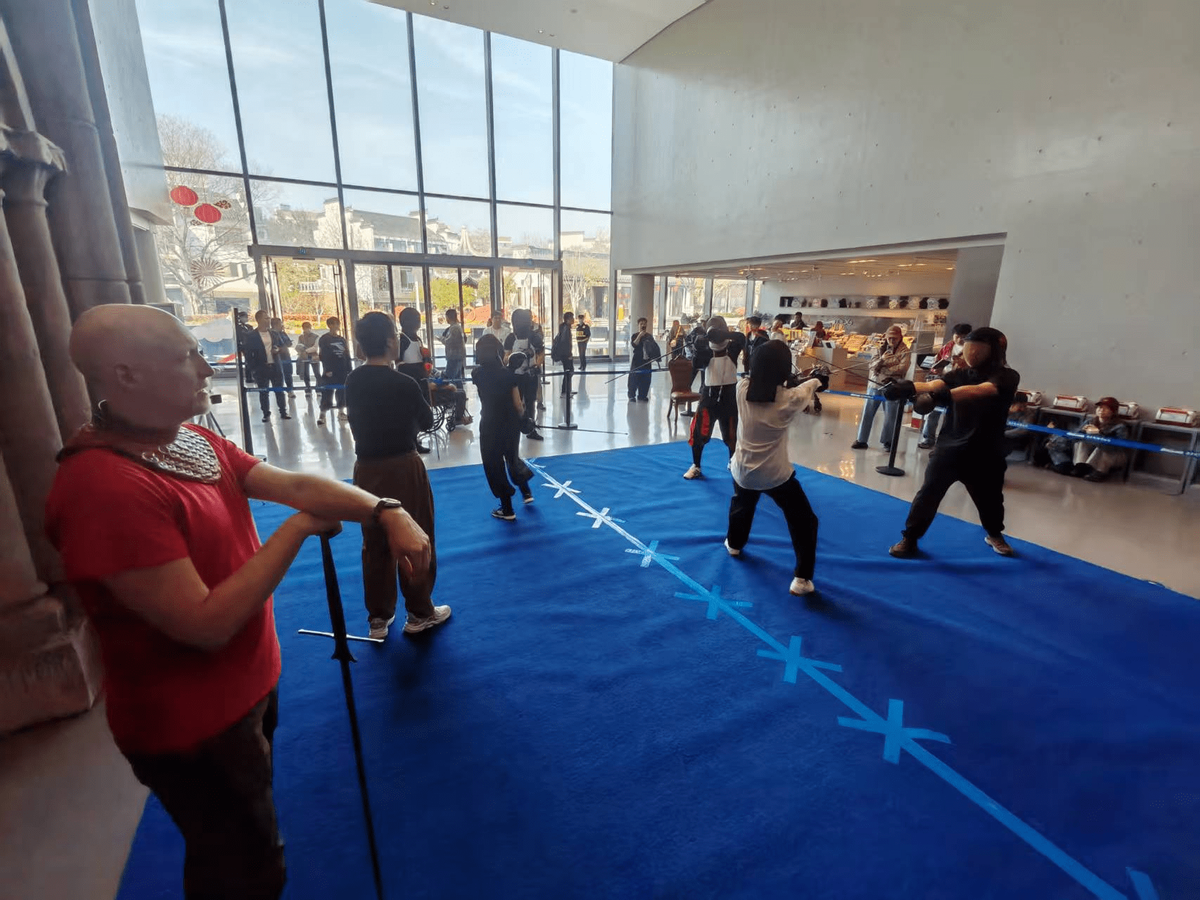
We reduced that control to a few key essentials: controlling, entering, adapting, and exiting with cover. My larger emphasis was on how to train those ideas progressively, starting with simple drills and then building toward greater complexity and openness so that students could bridge the gap between technical practice and actual sparring.
On the second day, hosted at Nanjing Axon Martial Arts, we turned to tempo and provocation. In fencing, tempo refers to the moments of opportunity created by motion, commitment, and change. We explored three ways of understanding tempo: giving, taking, and stealing.
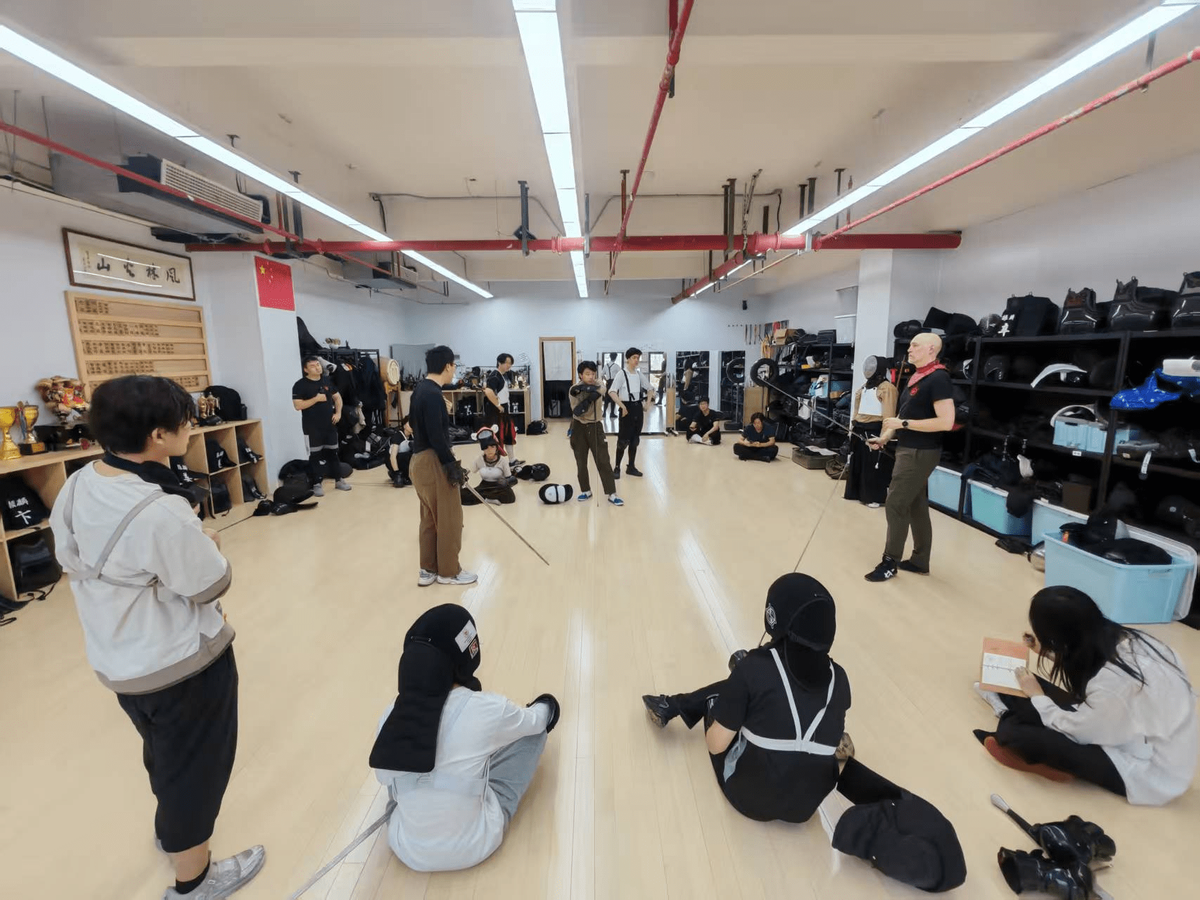
Students worked on learning to see tempos that were being offered, categorize them, and solve them. From there, we examined provocation as a way of giving a tempo intentionally, inviting a predictable response, and then countering to steal it back. It was high-level work, and the students handled it admirably.
I was deeply impressed by how eager, thoughtful, and effective the participants were in the exercises and drills we shared. I hope the material has a meaningful impact on how they fence and how they train.
Blades of Steel and Glory at the Nanjing Wall Museum
Part of this past weekend was connected to the travelling exhibition Blades of Steel and Glory, now on display at the Nanjing Wall Museum. The public was able to watch our workshop, and hundreds did, seeing the martial arts of knighthood brought to life in a modern setting.
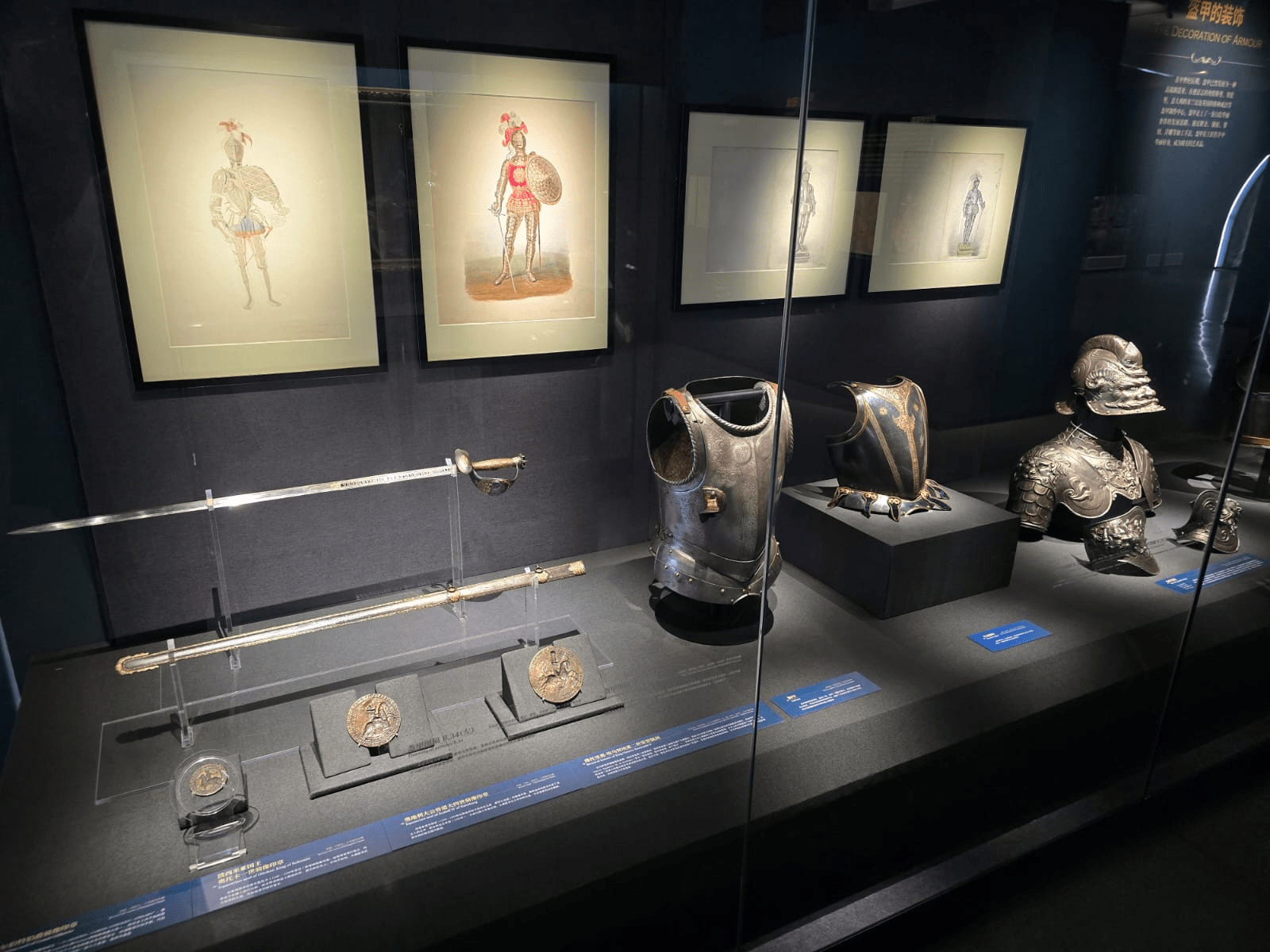
The exhibition traced the evolution of the knight from its earlier Frankish forms through to its expression in popular culture today, including its revival through movements like HEMA. It featured a remarkable collection of artifacts from museums in Italy, including armour, swords, shields, objects related to equestrian culture, and a number of fight books, which I was especially grateful to see!
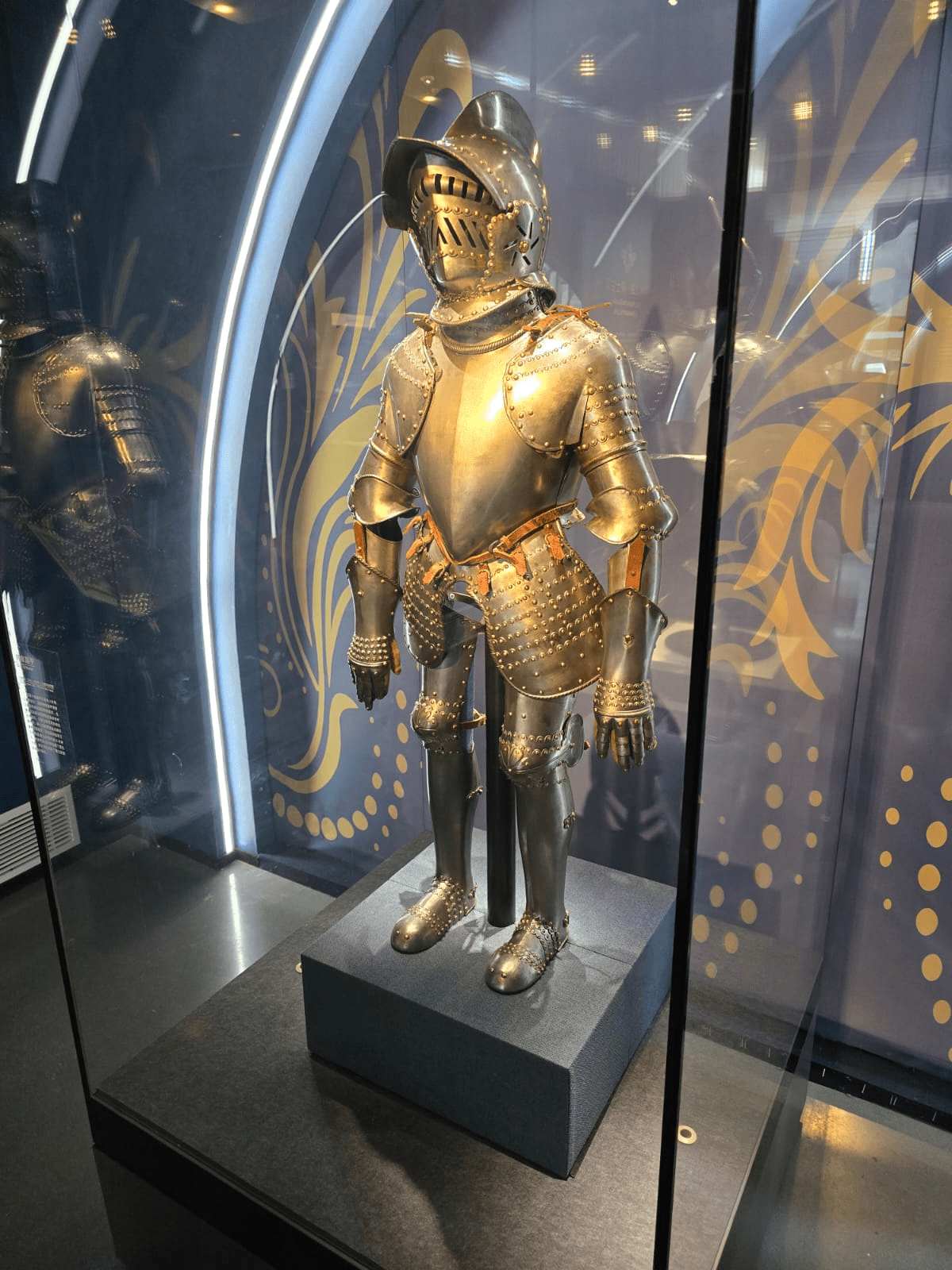
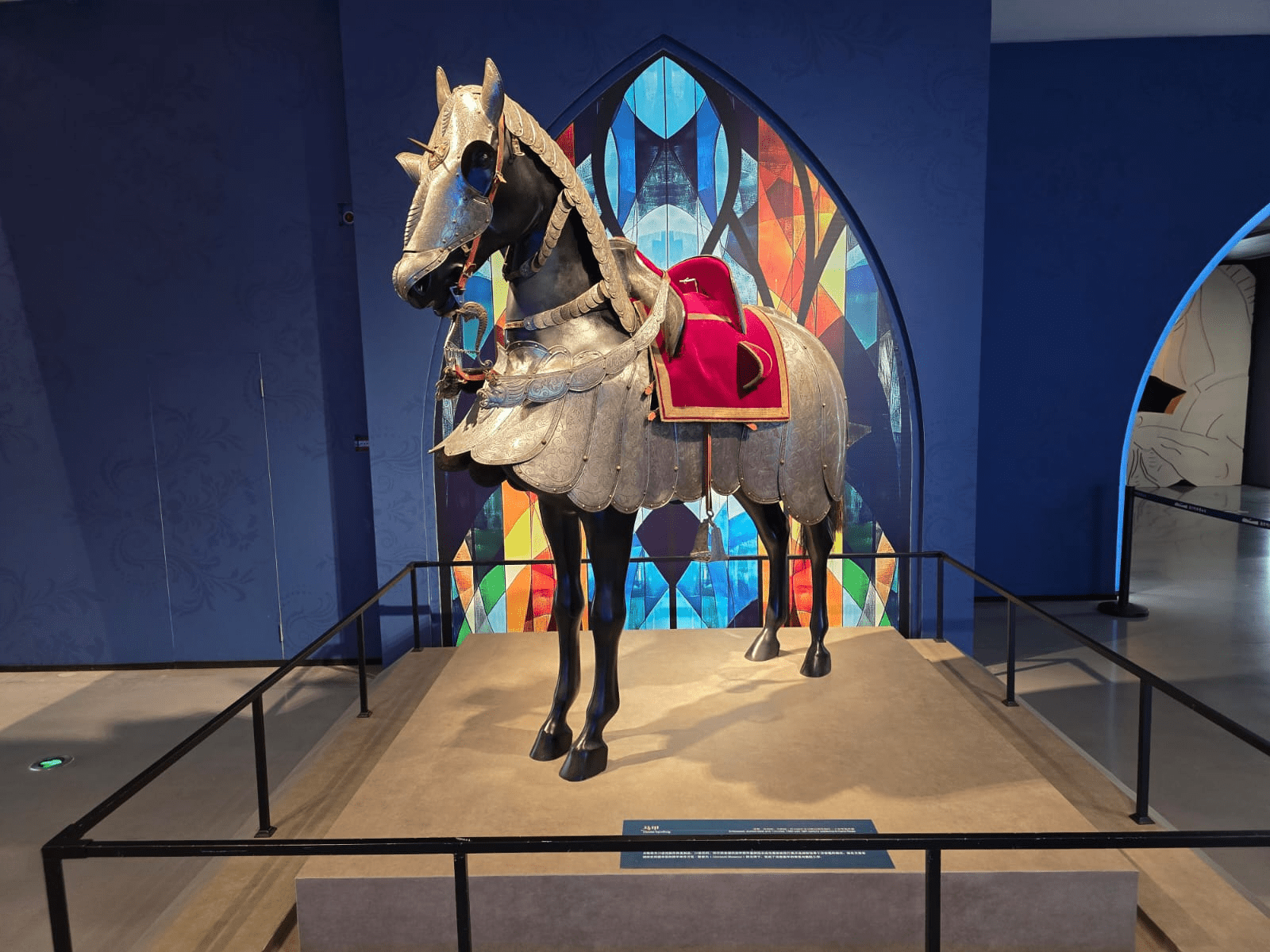
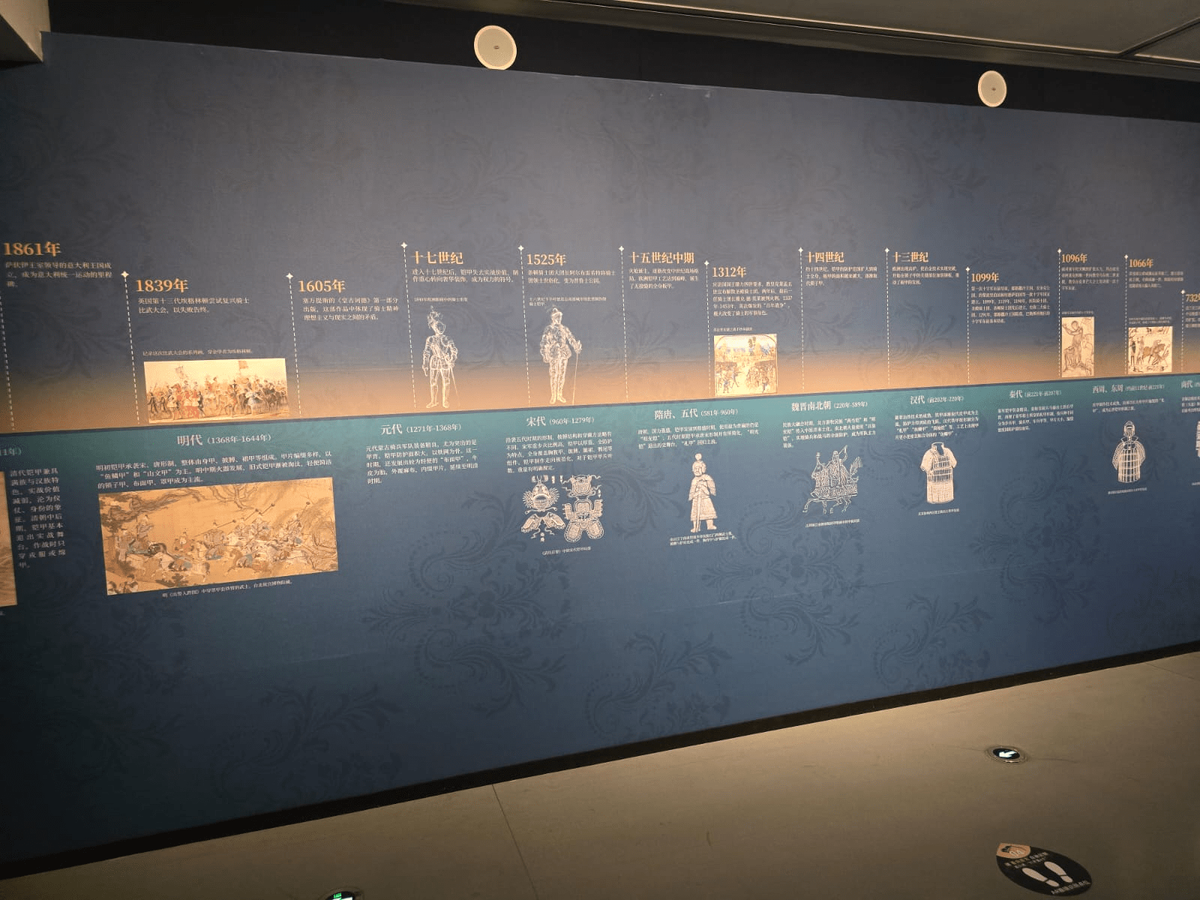
One part I particularly enjoyed was a timeline that placed the development of knighthood in Europe alongside the contemporary evolution of soldiers in China. As someone who began martial arts through Chinese systems, I found that cross-cultural framing especially meaningful. These kinds of connections help us learn more from one another and better appreciate the martial traditions we each inherit.
My thanks to the museum and to Axon Martial Arts for bringing me in to be part of such a special event. I hope there will be many more collaborations between HEMA groups and museums in China, and I would be glad to be part of them.
Train More Deeply: Instructor Intensives in Vancouver, Chicago, and Asia
Want to go deeper into longsword, rapier, and the teaching methods that help martial skills hold up under pressure?
My upcoming Instructor Intensives are designed for exactly that. Over 50 hours, we dive into technical material, tactical understanding, and the methodology behind creating lessons and exercises that move from drills into effective, pressure-tested practice.
Whether you want to become a stronger instructor for others or a better teacher for yourself, this is the premier program I offer for that work.
Learn more about upcoming intensives here: https://www.duelloarmizare.com/certification
Thanks to everyone in Nanjing who made this trip so memorable. It was a pleasure to share this work with you, and I’m looking forward to seeing what grows from it.