Reading and Writing Strategies for Class Learning
Devon Boorman ·
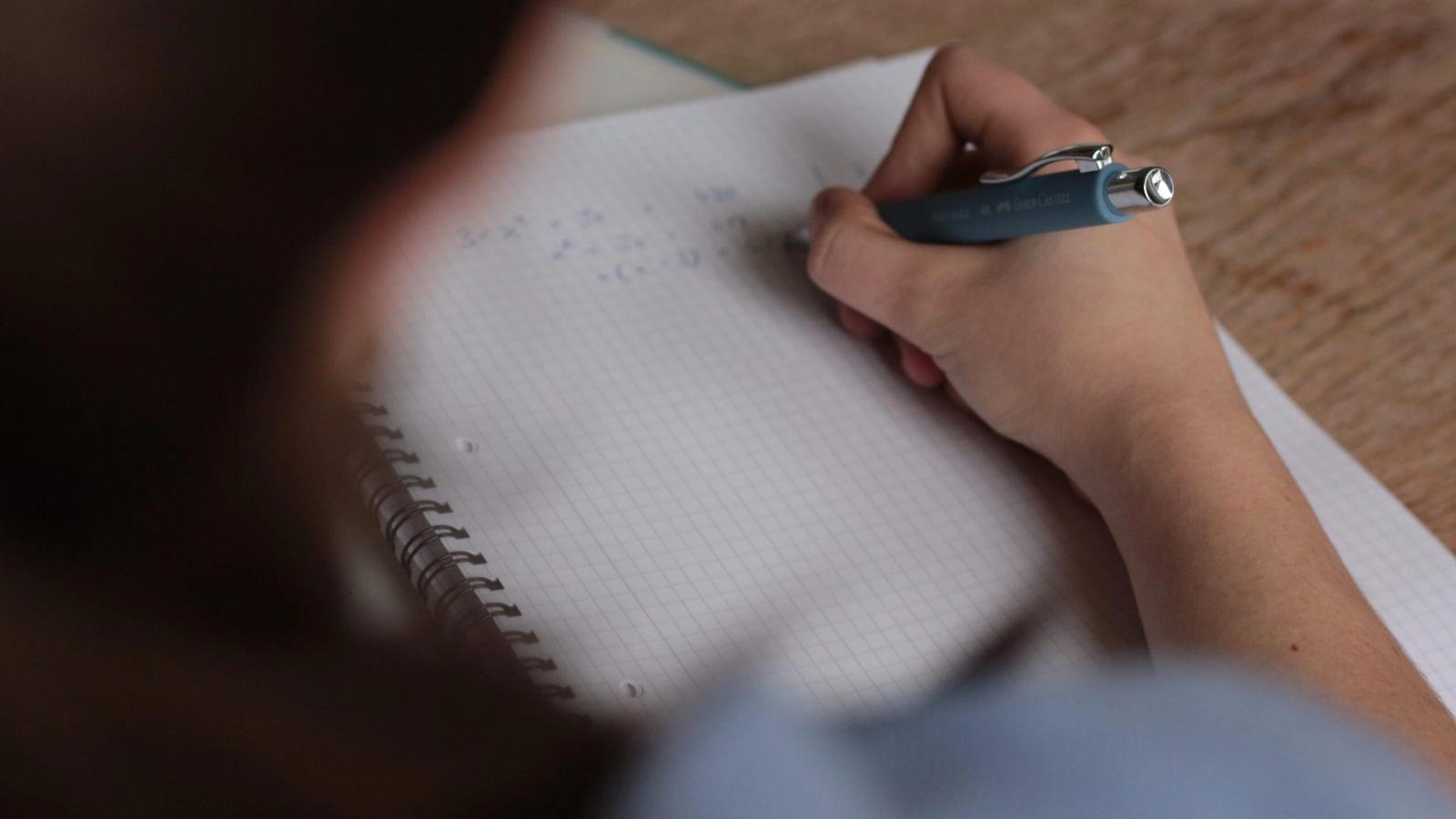
If you feel that you learn best by reading or writing, you are not alone. For many these are the learning skills that they've had the most practice with, since our school system focuses so much on them. This in itself is an important note. It may not be that you are "wired this way", simply that you have not had the same opportunity to develop learning skills and strategies in the other styles. Consider putting some time in to building your auditory, visual, and kinesthetic learning skills, as they can be developed just like your martial skills.
Now while you develop those skills you may want to do your best to work with the abilities you have. It can be difficult to learn a martial art if you don't feel that you do as well visually or kinesthetically, here are a few ways you can leverage your academic strengths.
Take Notes in Class
This is from my article on Conference Survival Strategies:
The simplest form of note-taking is with a pen and notebook or three ring binder. I personally prefer to use some form of media that lets me move pages around if I decide that I want to insert some new content into a given area.
I also recommend using software like Evernote or OneNote to do mixed-media note taking. With these apps, which you can load onto your phone or tablet, you can quickly type in notes, record video, and shoot photos. I particularly like the ability of OneNote to mix all of these different forms together, write on top of images, and have in-line text and captioning. Another nice thing is that you can tag, catalog, and search your notes later.
Taking expansive notes can be difficult in a workshop. Make capturing the course outline your first priority. Capture a short title for each lesson and bullet point a few pertinent notes that will help you remember it (and other key points) later.
At the end of your day use these headings to help you flesh out with greater detail what occurred in class. I find that having a recorded flow of how the material was presented is the most useful tool for recalling, practicing, and transmitting what you learned to others later. If you can use a video function to capture lessons as they’re taught or a summary at the end, do it — but make sure you ask your instructor for permission first!
At the end of a class or workshop, don’t be shy about asking your instructor to help you fill in gaps in your notes. Most instructors are thrilled to have students that take notes at all!
Read Your Notes In Class
Take notes while the instructor explains an exercise, then immediately review those notes. You may find that this process of immediately writing and reading your notes will dramatically increase your retention and ability to understand and implement a new exercise. Take notes about body alignment, connection points between you and your opponent, and what a successful conclusion is supposed to look and feel like.
Get Written References
Within Western Martial Arts there are a ton of written resources, more than in many other practices. Ask your teacher for appropriate references to what you are learning. Consider:
Source Materials
Freelance Academy Press has published translations of dozens of historical martial arts manuals. A unique Fiore manuscript in English is here. Wiktenauer has transcriptions, translations, and links to PDFs of originals available for free. And, Amazon is a great source for many independently published e-Book and print translations and interpretive works.
Interpretive Works
There may be relevant interpretive works to what you are studying at your school available from some of the above mentioned sources. Not all instructors agree so you may want to check in with your teachers for the best references. In the Italian Martial Arts space I enjoy Bob Charette's book Armizare, many of Guy Windsor's titles, and the quality translations by Tom Leoni.
FAQs, Articles, and Other Online Resources
There are tons of people writing about WMA/HEMA. A quick internet search for Glossary of German Sword Fighting Terms will come back with more than a dozen results. The HEMA Alliance forum on Facebook as well as the HEMA International Discussion forum also have many resources being posted on a daily basis that could be useful written accompaniments to your study.
So put those writing and reading skills to use. The nice thing about this form of learning is that it creates resources as you go and it can be easily be shared amongst your classmates. If you have found, or created, some great written resources, feel free to share them in the comments!