Sparring as Participation
Devon Boorman ·
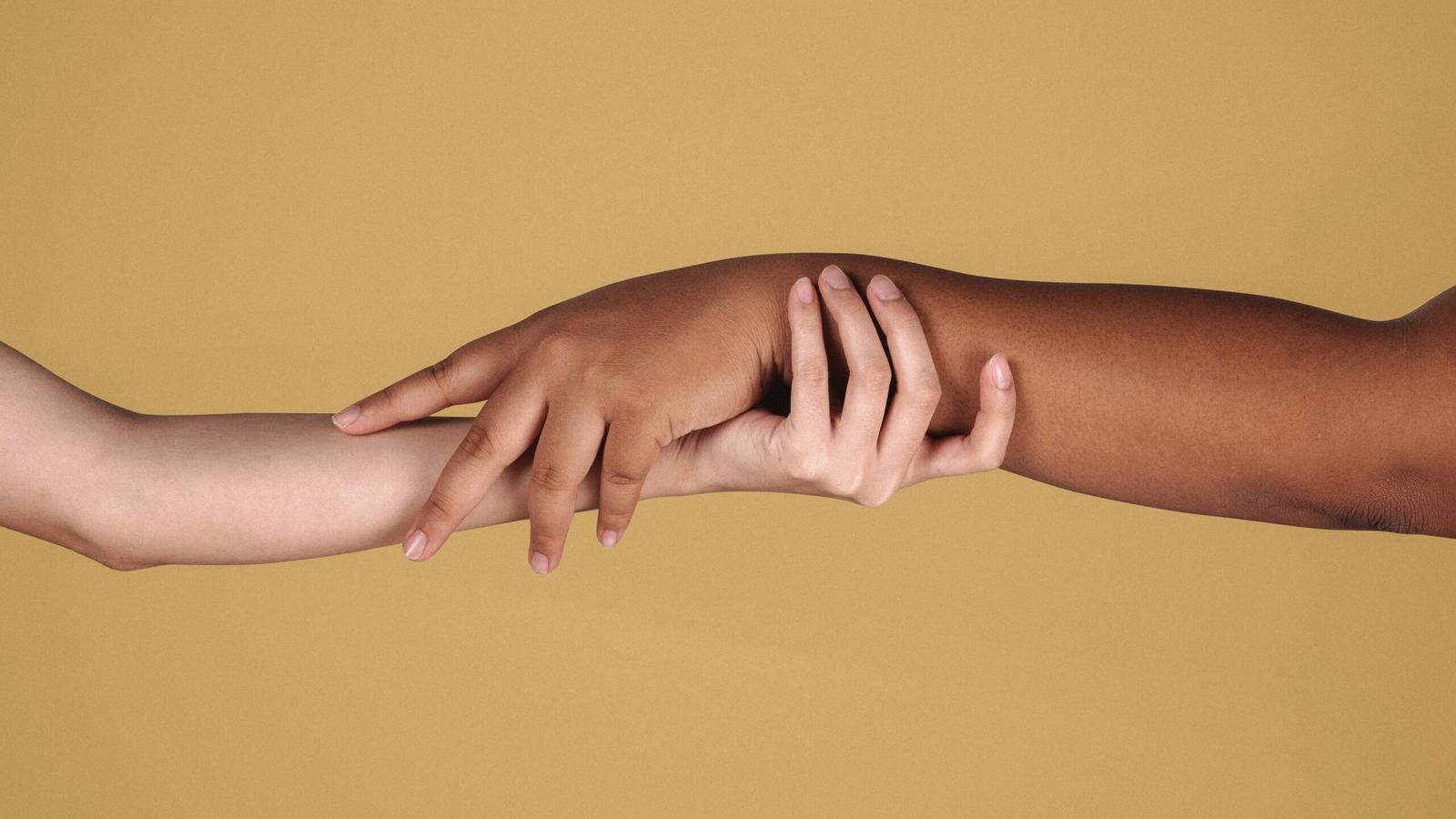
There are many ways that you might look at sparring: As a simulation of life-and-death encounter, as an effort to kill or be killed, as a competition for points, as a game, or as a kind of dance.
Each type of framing brings with it a particular attitude, set of assumptions, and way of seeing your partner and the problems that they present to you.
When we come from a perspective of antagonism, the mental frame of that encounter tends to reflect this kind of versus or contra attitude. The questions that come into your mind in a bout might include:
- Where can I hit them?
- When can I interrupt them?
- Where are they open?
- What are their weaknesses that I can exploit?
This mode tends to be one of acting “on” your opponent.
Sparring as Dance
When we think of sparring as dance we flip the framing to be an activity that we are doing “with” the opponent. It's more collaboration than competition. There is a leading and following implied and the questions you might ask change:
- What is their rhythm?
- How do I insert myself here?
- Where are they heading?
- How do I guide them?
- What will allow me to play as long as possible?
The dancer is less concerned about ending things right away and more engaged with connecting and finding their place within a shared encounter. They are more patient and less anxious to rush to the moment of finality.
Hard and Soft
These two ideas are sometimes described in Eastern martial arts circles as “hard” and “soft”. Hard martial arts tend to be oriented toward breaking and interrupting, sometimes seen as force-against-force. Soft styles focus on “blending”, moving with your opponent’s momentum and guiding it; yielding to force. E.g., Shotokan Karate is hard; Aikido is soft.
To develop as a versatile martial artist it is important to build proficiency in hard and soft. They are both keys to unlocking the puzzles of your opponent and of your own learning. You may find that one particular approach suits your own personality more than the other, which means there is likely even more to gain exploring the one you’re least comfortable with.
Explore the Dance
One of the things that makes a technique learned in class hard to execute in combat is that we’re too focused on doing it “to” the opponent (hard) and not enough on finding the moment to do it “with” them (soft).
This often looks like overly earnest first attacks that are then forcefully parried leading to bands and running past, or both opponents seeking to move off the bind and strike forcefully to the other side only to bind again. It looks like double hits where both sides are focused on landing a decisive hit but not paying any attention to how the opponent is trying to do the same in return.
Learning to dance with your opponent is learning to slide yourself into their rhythm, give them false confidence, and lure them into your trap. It’s spending time on exploration, probing, and playing, that allows you to find the right moments to lead the opponent into your strike or to be hard and break the opponent when they’re least expecting it.
Participating
To find the dance you need to ask the soft questions. Come with your curiosity turned on and an attitude of cooperation. Your goal is to find your opponent where they are, to be able to master their rhythm so you can both blend with them and interrupt them.
Xian, one of my students who teaches a group in Halifax Canada asks his students to “participate” with one another rather than spar. He finds this shifts the way they think when they enter the fight. It helps them relax, see more of the openings, and be less anxious to hit their opponents and thus less foolhardy.
This reframing is a beautiful way to find the attitude of dancing, even when you intend to dance your partner to their demise.