Training for Speed
Devon Boorman ·
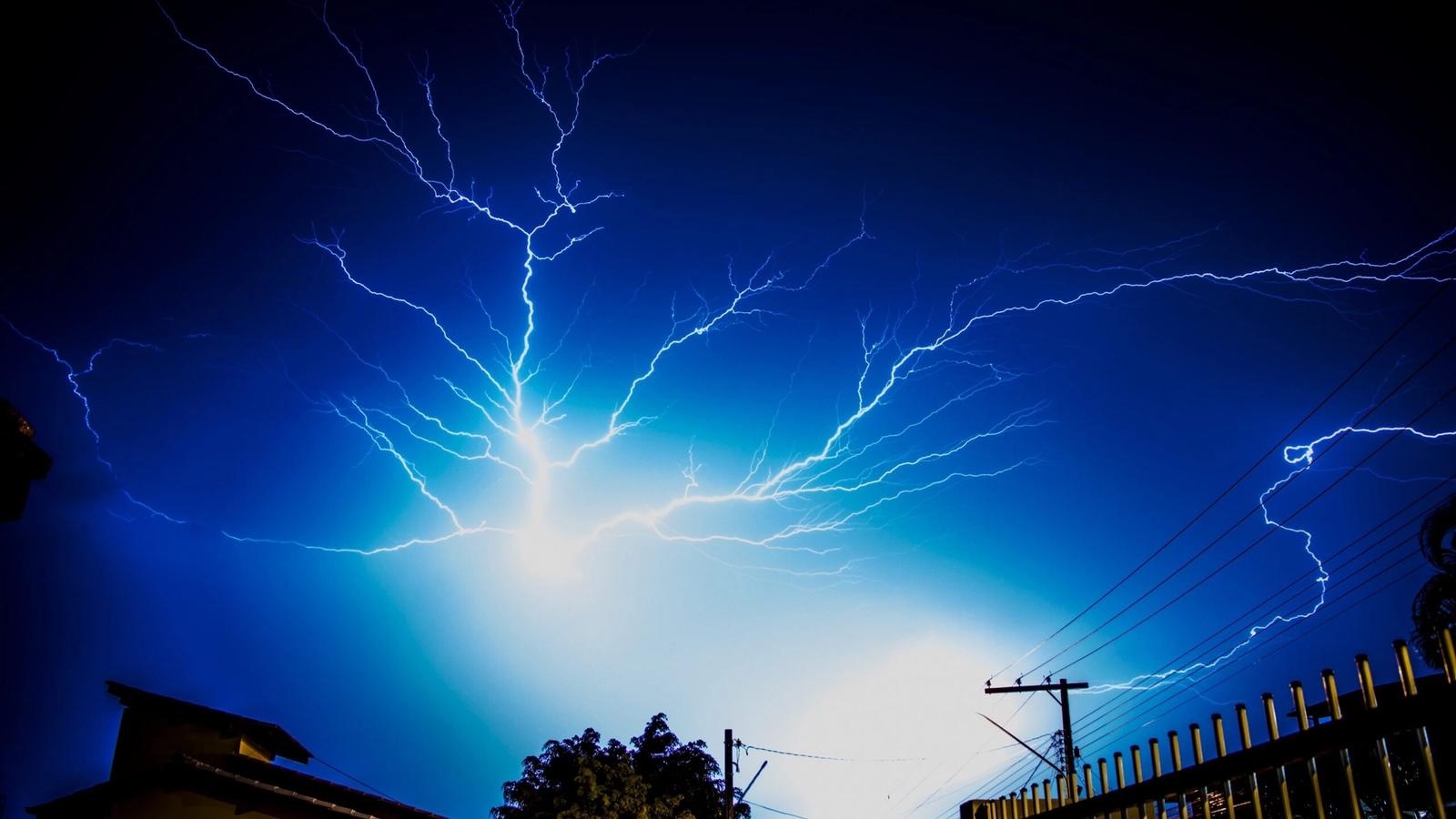
“I, the tiger, am so quick at running and turning that I can’t even be overtaken by a lightning bolt."
Fior di Battaglia, Getty Museum, Tom Leoni translation
Though I have said it is not your top speed that is important but rather how many speeds you have, being fast has its advantages. To cultivate speed in your martial art you need to consider several aspects of training.
Power
The heart of speed is power. Power is your ability to exert a maximal force in as short a time as possible. Power is required to throw a ball, jump into the air, or run up a flight of stairs. Power is trained through exercises that require that you move a load (an external weight or your own body weight) through a short and fast motion.
For a direct connection to your sword-work I recommend training with double weight swords or heavy sword-like objects and moving them through your core cutting/thrusting actions with speed and precision.
When approaching power exercises you need to make sure the mechanics of your movement are correct and that you do not rush yourself to a weight that is overly challenging for you to move (i.e., you will strain yourself when doing it). Being able to complete five to eight reps with proper form is optimal.
Premature overloading may not help you, but instead result in undesirable strain and injury. Be sure to consult a fitness expert to make sure you are using proper mechanics and using appropriate tools before embarking on this type of training.
Efficiency
Doing a movement in a mechanically precise fashion is not just essential to preventing injury but also to not wasting time in a movement. For an attack or defense to be as ‘fast’ as possible it must move directly from its starting position to its most effective destination position in a sound and effective fashion.
This is where slow leads to fast. If you jump to training at maximal speeds without first ensuring that your movement is as efficient as possible you’re wasting your time—literally!
Ideally every movement you develop is trained with expert consultation. Someone who can help guide you and coach you as you learn the movement. Once the movement is precisely defined gradually accelerate your practice of that motion and use self-discipline to not move faster than you are capable of doing the motion properly.
Timing & Reaction
Choosing a moment to attack when your opponent is least prepared to defend can create the appearance of speed.
The Italian tradition we teach at Academie Duello provides an effective shorthand for the ideal moments (tempos) for attack:
- Prima Tempo - During your opponent’s step into your striking range.
- Mezzo Tempo - While your opponent prepares to attack or otherwise changes position while in your range.
- Due-Tempi - Forcing your opponent to recover their weapon and at that moment strike them (such as beating their sword aside then striking as they attempt to bring it back on line)
- Controtempo - From a greater position of control, you strike your opponent as they attack
Speed is Distance
A clever fencer is always closer than their opponent suspects. If you’re in a footrace with the fastest man in the world but he has to run a mile and you only need to run 10 feet, who is going to win the race? Use position and timing to bring you into closer proximity to your opponent and you may be able to strike them a lot faster than they expect.